

Super Computing Center
Kirtipur, Kathmandu-

-
 hpc@tu.edu.np
Welcome to TU Super Computing Center
Tribhuvan University Supercomputer (also called TU-High Performance Computer (TU-HPC)) is located at the Information Technology Innovation Center (ITIC), Tribhuvan University in Kirtipur. TU-HPC is operational since January 2022, empowering researchers and students with high-performance computing for scientific discovery.
Get Started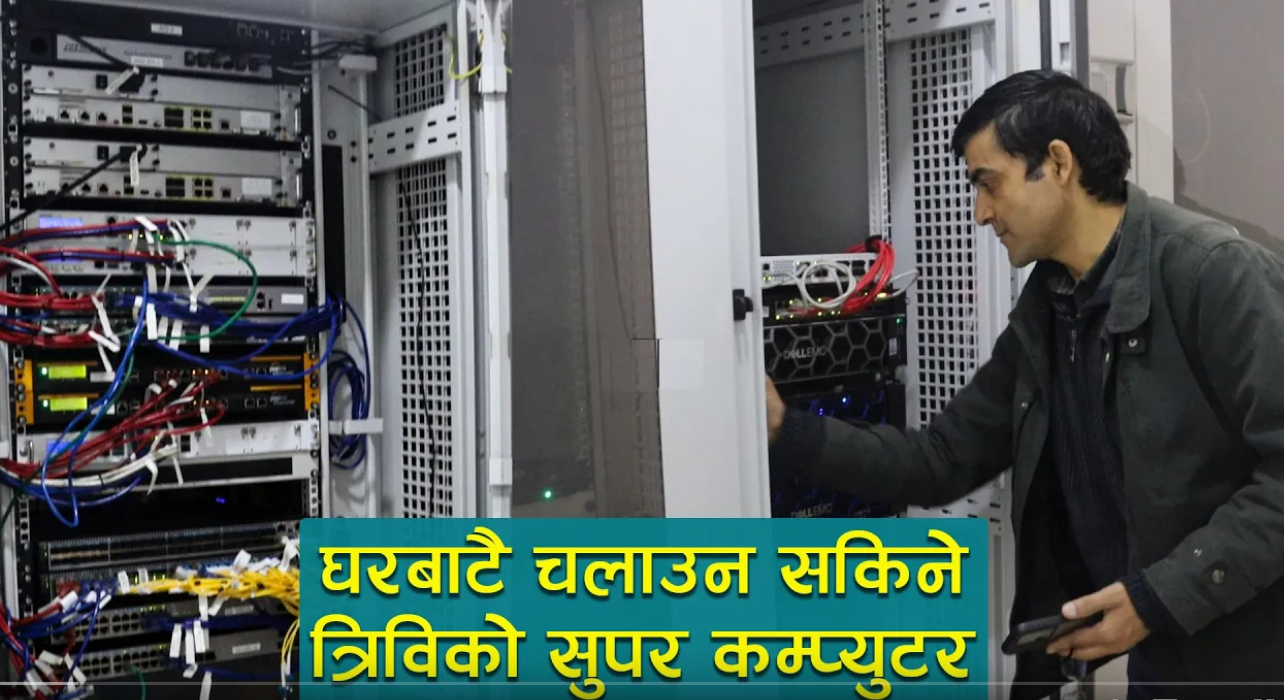
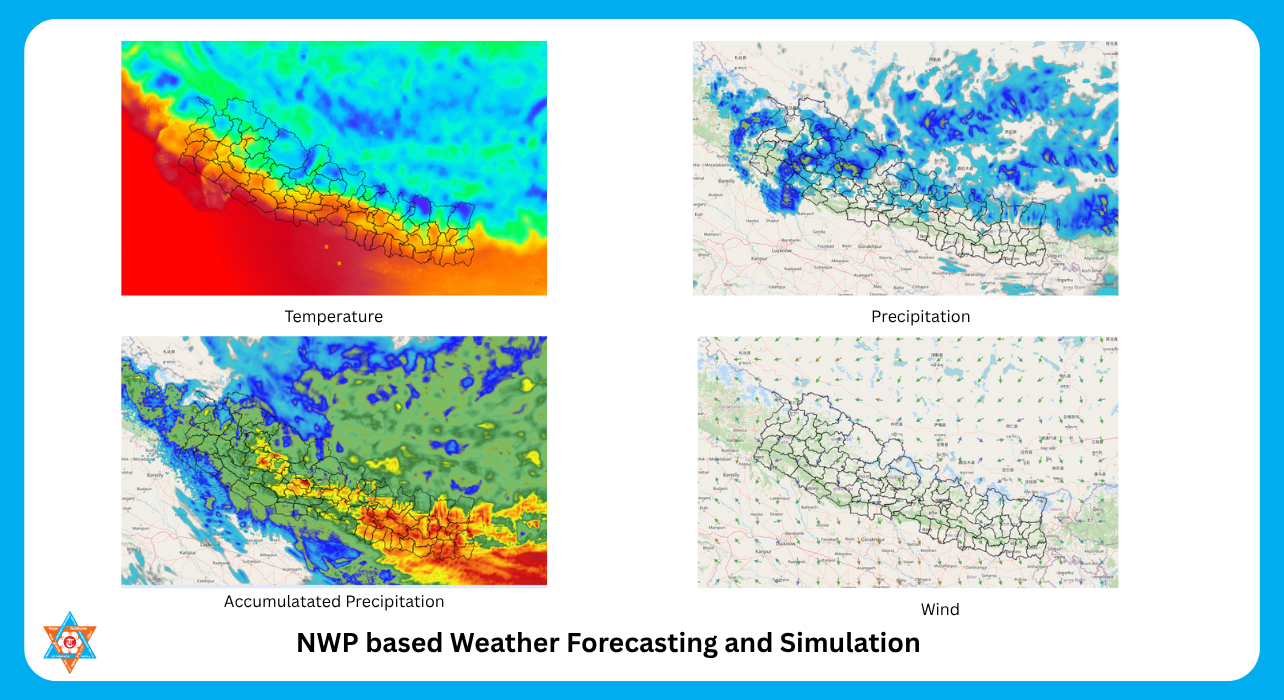
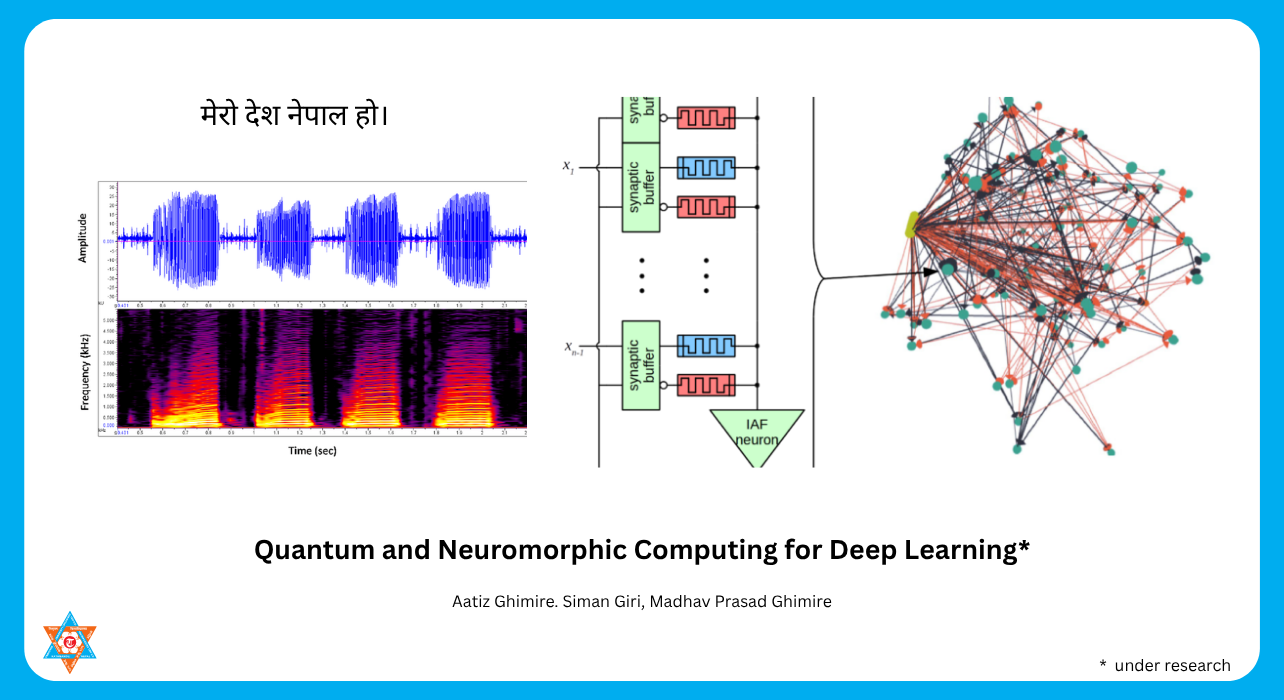
Establishment
The Tribhuvan University (TU) Supercomputer is hosted at the Information Technology Innovation Center (ITIC), Tribhuvan University, Kirtipur. It is also called a TU-High Performance Computer (TU-HPC) operated by Dr. Madhav Prasad Ghimire (Associate Professor, Central Department of Physics, TU). With the initiation from Dr. Ghimire (Tribhuvan University) and the processing from PD Dr. Manuel Richter (IFW-Dresden), a mutual agreement was setup between Tribhuvan University and IFW-Dresden. This was followed by the signing of an equipment loan agreement on 13th May 2021 between the two parties where Prof. Dr. Binil Aryal, Dean, Institute of Science and Technology represents Tribhuvan University and Prof. Dr. Bernd Buchner (Scientific Director) and Juliane Schmidt (Commercial Director) represents IFW-Dresden. This agreement paved the way to establish a supercomputer at Tribhuvan University. Following this, the equipment was received in two-month in the university.
Objectives of TU HPC
Research and Resources
Enable cutting-edge research in computational sciences and engineering, and provide high-performance computational resources for researchers and students.
Collaboration and Training
Foster interdisciplinary collaborations with national and international institutions, and train the next generation of researchers in advanced computing techniques.
Simulations and Analytics
Support large-scale simulations, machine learning, and data analytics to drive innovation across various fields.
Research Domain Supported
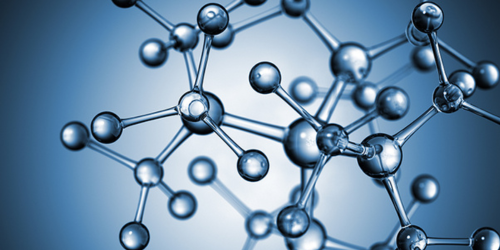
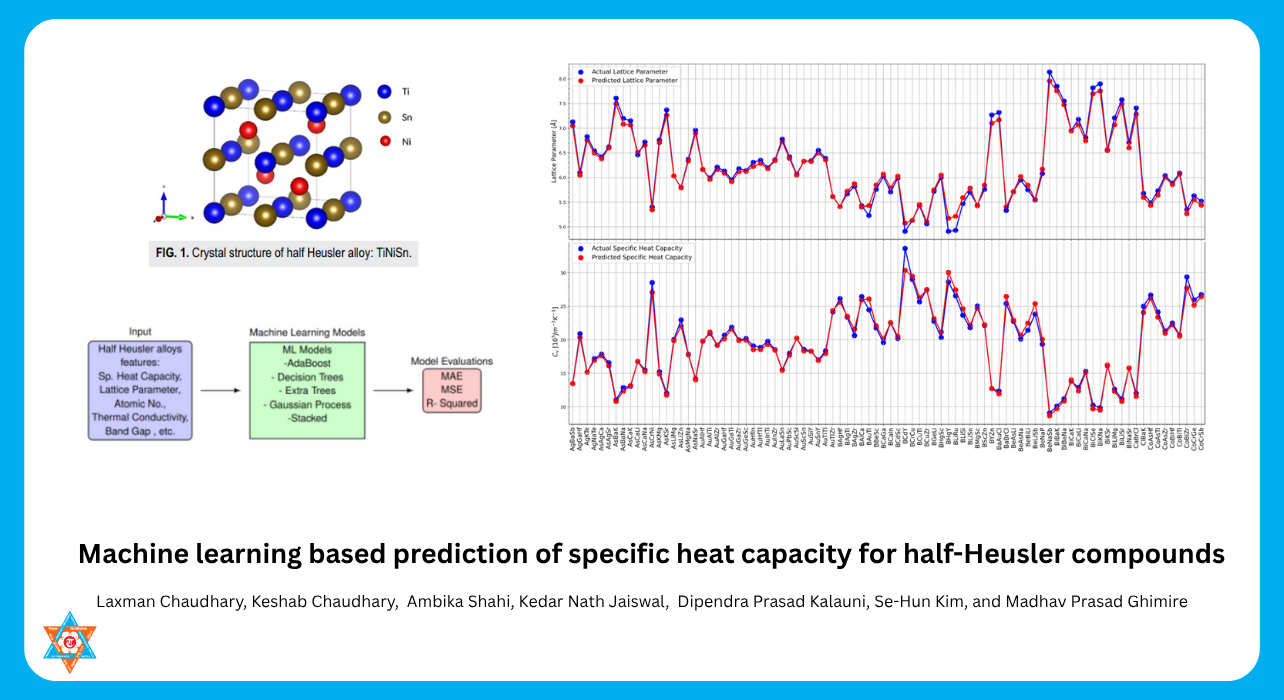
Condensed Matter Physics
First-principles calculations and quantum simulations for advanced material research.
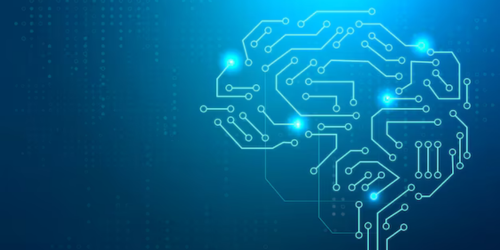
AI & Machine Learning
Training and deploying deep learning models for applications in healthcare and more.
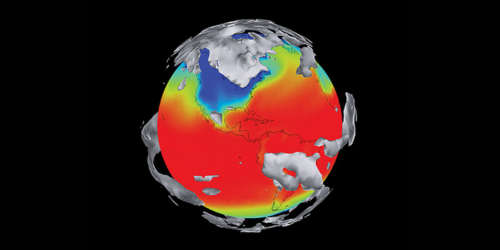
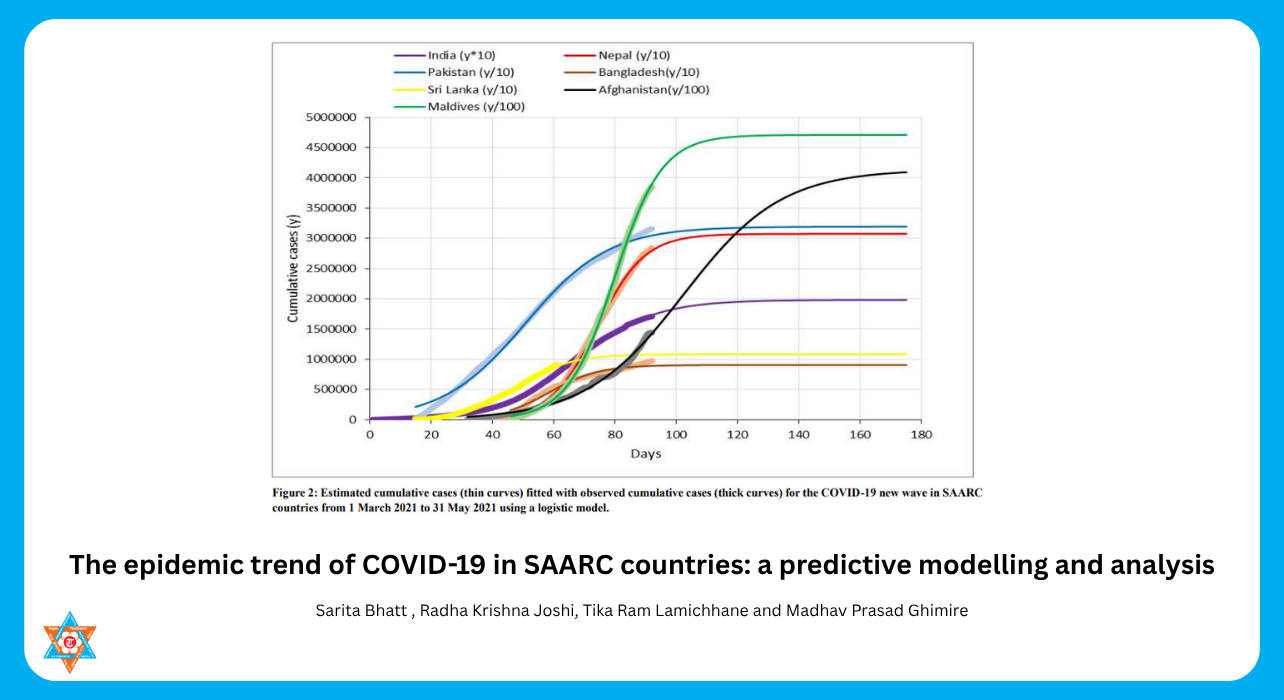
Climate Modeling
High-resolution weather and climate simulations to study environmental impacts.
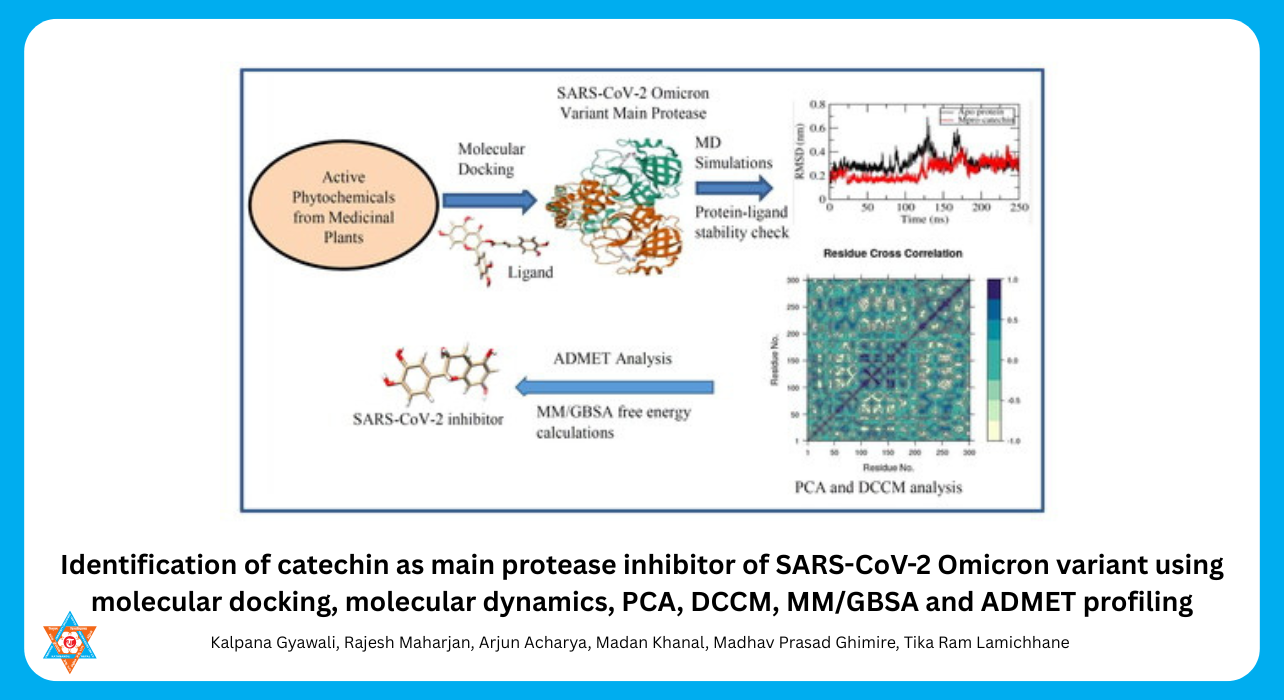
Genomics & Bioinformatics
Computational analysis of biological data for genetic research.

Engineering Simulations
Structural, fluid dynamics, and material analysis for engineering applications.

Big Data Analytics
Large-scale data processing and visualization for data-driven insights.
International Collaborations
Global Partnerships
TU HPC collaborates with leading institutions, including:
-
 Leibniz Institute for Solid State and Materials Research (IFW-Dresden), Germany
-
 Alexander von Humboldt Foundation
-
 The World Academy of Sciences
-
 University Grants Commission (Nepal)
-
 Jeju National University, Korea
These partnerships facilitate grants, knowledge exchange, joint research projects, and shared computational resources.
Collaboration
Our international collaborations enhance research capabilities, provide access to global expertise, and support interdisciplinary projects in computational sciences.
-
 Massachusetts Institute of Technology (MIT)
-
 Harvard University
-
 University of Notre Dame
-
 California Institute of Technology
-
 Max Planck Society for the Advancement of Science
-
 IIT Madras
-
 Mizoram University
-
 National Institute for Materials Science, Japan
-
 Dongguk University, Korea
-
 George Mason University
Our Supercomputer
Technical Specifications
Operational since January 2022, our supercomputer features 500 core CPUs, 2 GPUs, 5 terabytes of memory, and 20 terabytes of storage. It supports parallel processing with high-speed interconnects for complex computations.
Remote Access
Researchers worldwide can access the supercomputer via secure profiles, enabling multi-user, simultaneous computations for efficient collaboration across disciplines.
Applications
Supports advanced simulations in physics, chemistry, AI, climate modeling, and bioinformatics, driving innovation in academia and industry.
Research Opportunities
Scientific Computing
High-performance simulations for physics, material science, and computational biology, leveraging parallel processing capabilities.
AI & Machine Learning
Accelerated training of deep learning models and data analytics for applications in healthcare, agriculture, and urban planning.
Training & Workshops
HPC Bootcamps
Learn parallel programming, job scheduling, and resource management on our supercomputer through intensive short courses.
Specialized Workshops
Customized sessions on AI, computational physics, and data science, tailored for TU’s academic programs like M.Sc. CSIT.
Our Team



Resources
User Guides
Access comprehensive guides on using the TU HPC system, including job submission and software setup.
View GuidesDocumentation
Detailed documentation on supported software (MPI, OpenMP, CUDA, Python, MATLAB) and system architecture.
Explore DocsTutorials
Video and written tutorials for beginners and advanced users on parallel computing and data analysis.
Watch TutorialsFrequently Asked Questions
News and Coverage
TU Supercomputer Installation
Makalu Khabar reports on the successful installation of TU’s supercomputer on January 23, 2022, after eight months of effort, highlighting its impact on scientific computations.
Read MoreYoho TV Interview with Dr. Ghimire
Dr. Madhav Prasad Ghimire discusses the TU supercomputer’s capabilities and its role in advancing research in this Yoho Television HD interview.
Watch on YouTubeMakalu Khabar Video Coverage
A video by Makalu Khabar details the TU supercomputer’s installation and its significance, featuring insights from Dr. Madhav Prasad Ghimire.
Watch on YouTubeContact Us
Interested in using our HPC resources or joining a workshop? Reach out to the Advanced Materals Research Laboratory, Central Department of Physics, Tribhuvan University.
- Email: hpc@tu.edu.np
- Address: Advanced Materials Research Laboratory, Central Department of Physics, Tribhuvan University, Kirtipur, Kathmandu, Nepal